

In Africa, “Big Tech” looks different from what it does in Silicon Valley.
While the U.S. has Google and Apple, Africa has a unique blend of massive, infrastructure-heavy telecommunications giants and scrappy, high-speed fintech unicorns. In 2025, the line between a “phone company” and a “tech company” has vanished. The biggest players on the continent are those building the rails—payment gateways, fiber optic cables, and mobile money wallets—that the rest of the economy runs on.
Despite the global funding winter, Africa’s tech ecosystem remains resilient. From the skyscrapers of Johannesburg to the bustling streets of Lagos (“Yabacon Valley”), here are the Top 10 Biggest Tech Companies in Africa, ranked by their market influence and valuation.
1. Naspers (South Africa)
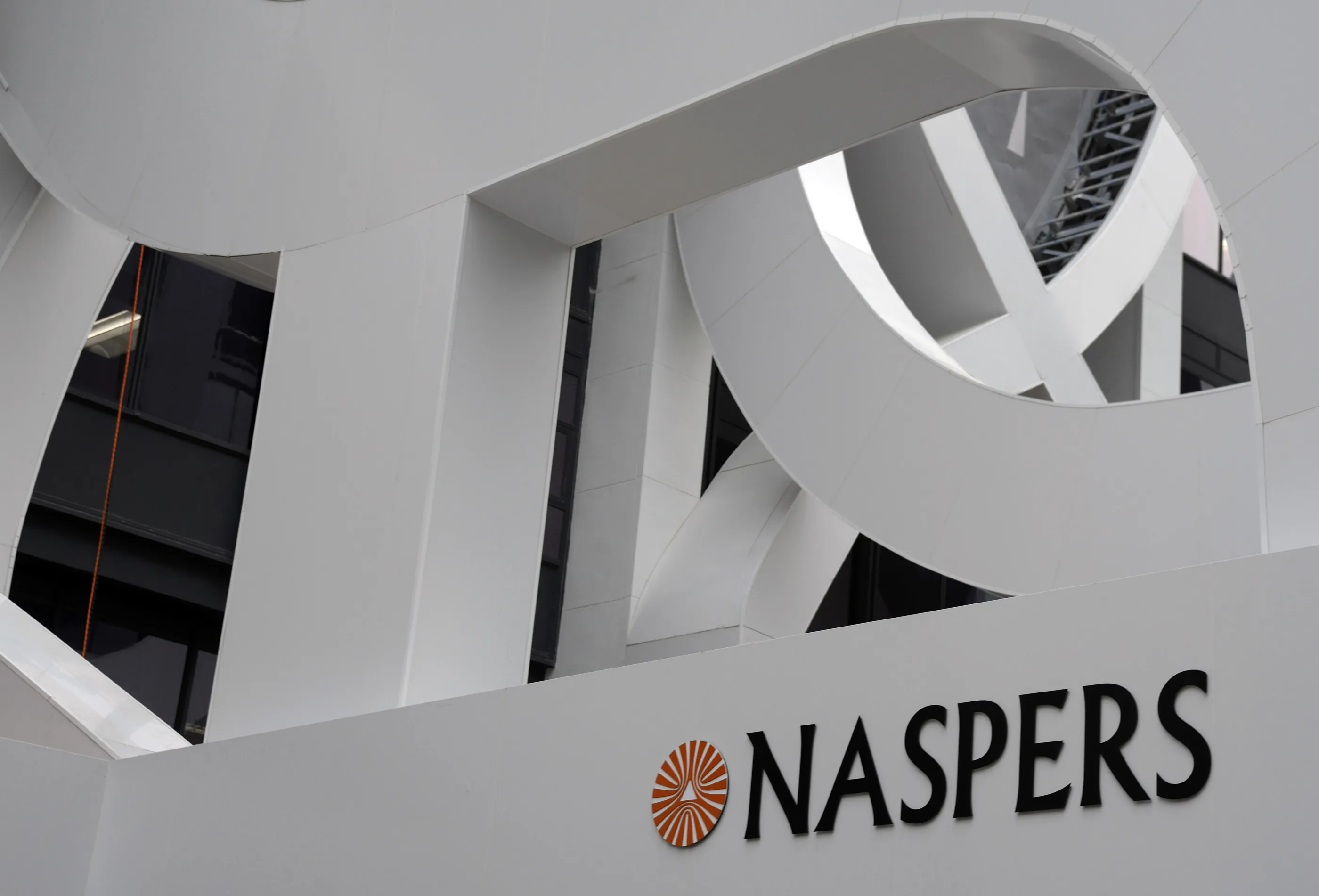
The Global Titan
-
Valuation/Market Cap: ~$40+ Billion (Fluctuates with Prosus/Tencent stock)
To call Naspers just an “African company” is almost an understatement; it is a global tech investing superpower. Originally a newspaper publisher founded in 1915, it transformed into Africa’s most valuable company by making one of the smartest bets in business history: buying a massive stake in China’s Tencent (the owner of WeChat).
-
Why they are #1: Through its spin-off Prosus, Napers owns stakes in tech platforms all over the world, including Delivery Hero and Udemy. In Africa, they own Takealot (South Africa’s version of Amazon) and Media24. They are the whale in the pond.
2. MTN Group (South Africa)
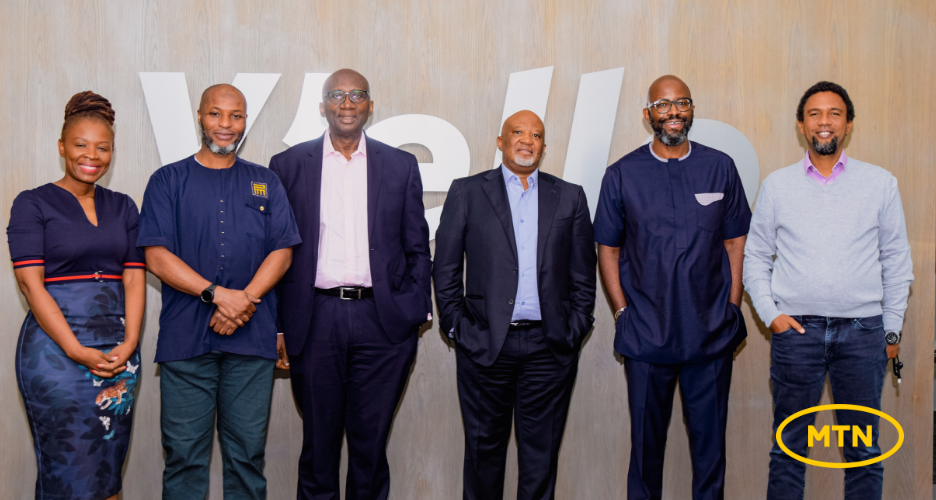
The Connectivity King
-
Market Cap: ~$10 – $14 Billion
MTN is often mistaken for just a “SIM card company,” but in 2025, it is arguably the most important fintech player on the continent. With nearly 300 million subscribers, MTN isn’t just selling data; it’s banking the unbanked.
-
The Tech Angle: Their MoMo (Mobile Money) platform is a lifeline for millions, handling billions of dollars in transactions annually. They are currently pivoting from a telco to a “Techco,” building massive data centers and API platforms for developers across Nigeria, Ghana, and Uganda.
3. Safaricom (Kenya)
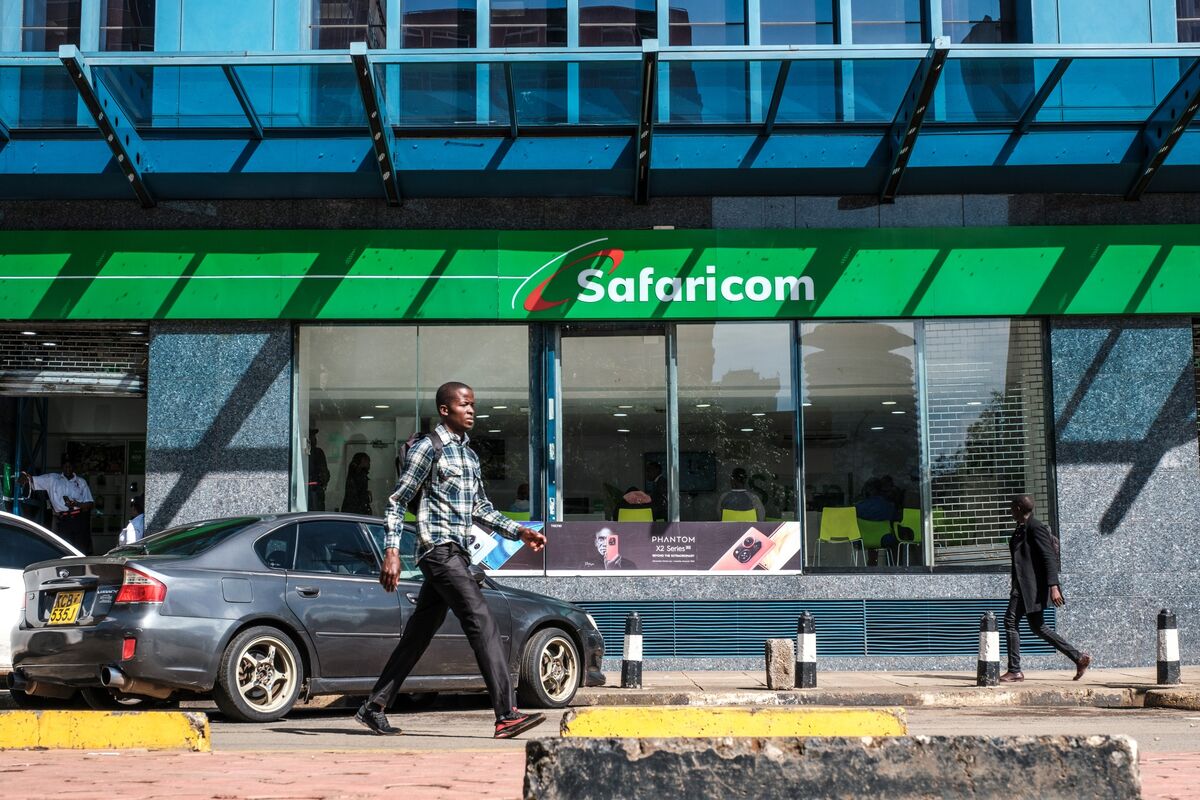
The Mobile Money Pioneer
-
Market Cap: ~$4 – $5 Billion
If you walk into a market in Nairobi, you won’t see cash; you will see M-Pesa. Safaricom is the parent company of the world’s most successful mobile money service.
-
The Tech Angle: Safaricom transformed Kenya into a cashless economy years before the West caught up. Today, M-Pesa accounts for a massive chunk of Kenya’s GDP. They are now exporting this model to Ethiopia, a market of over 100 million people, which is set to skyrocket their valuation even further.
4. Flutterwave (Nigeria)

The Payment Rails
-
Valuation: ~$3 Billion (Private)
Flutterwave is the “plumbing” of African e-commerce. If you book an Uber in Lagos or pay for a Spotify subscription in Nairobi, there is a good chance Flutterwave is processing that payment in the background.
-
The Status: As a top-tier “Unicorn,” they enable global merchants to accept African currencies. despite some regulatory hurdles in Kenya, their expansion into remittance (Send App) and enterprise payments keeps them at the top of the startup food chain.
5. OPay (Nigeria)
The Consumer Super-App
-
Valuation: ~$2.7 – $3 Billion (Private)
If you live in Nigeria, you know OPay. Recognizable by their green POS terminals and debit cards, OPay exploded in popularity during the cash scarcity crises. Backed by Chinese investors (including SoftBank), they have mastered the art of “agency banking.”
-
The Tech Angle: They aren’t just an app; they are a substitute for physical banks. With tens of millions of users, they have successfully done what many failed to do: dominate the offline-to-online payment market in Africa’s most populous nation.
6. Vodacom Group (South Africa)
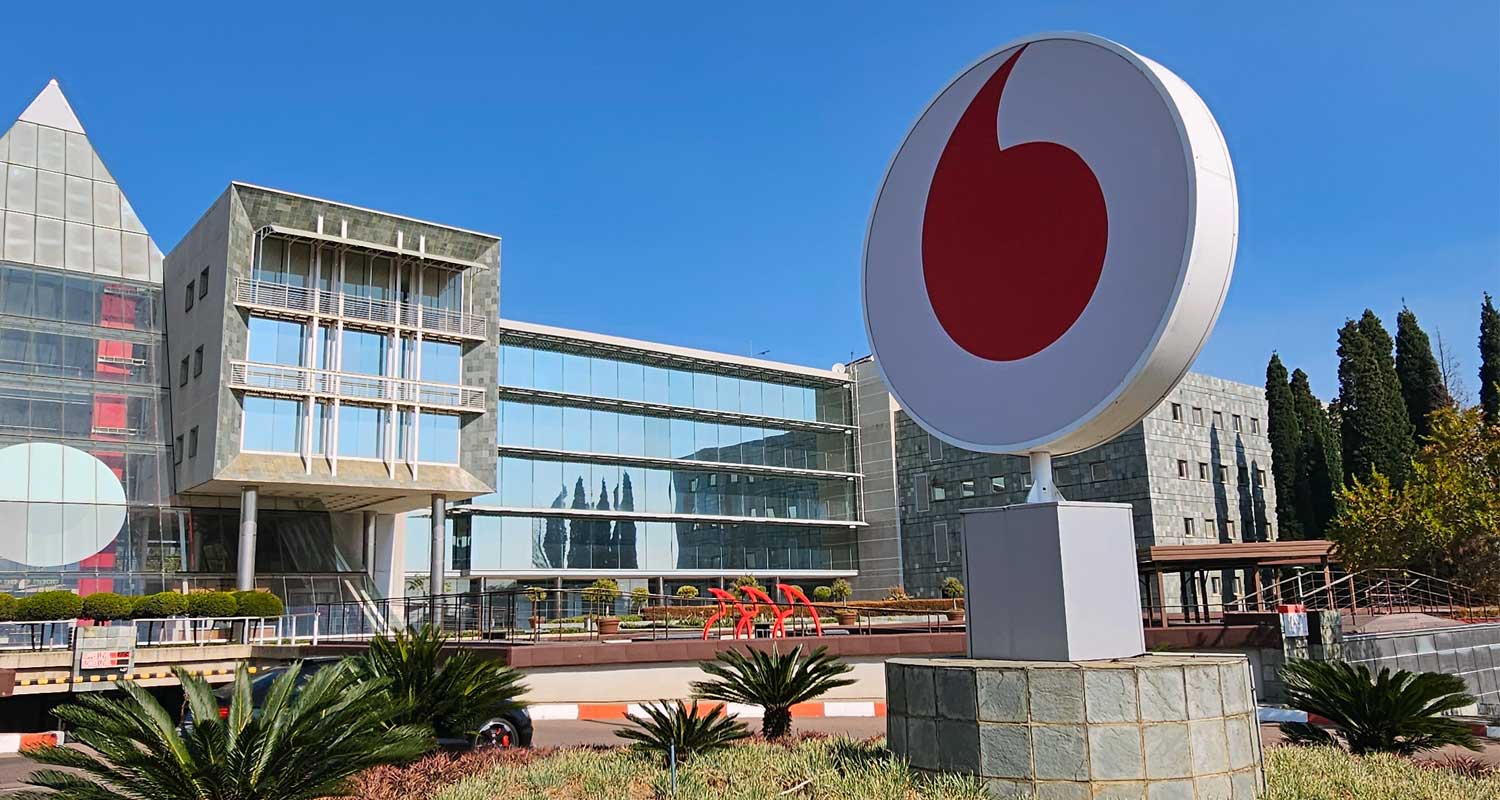
The Digital Service Giant
-
Market Cap: ~$12 – $14 Billion
Like MTN, Vodacom is a connectivity giant that has pivoted hard into financial services. A subsidiary of the British Vodafone, they dominate the South African market and have strong footholds in Tanzania and the DRC.
-
The Tech Angle: They recently launched the VodaPay “Super App” in partnership with Alipay, aiming to create an ecosystem where you can shop, pay bills, and take out loans without leaving their ecosystem.
7. Wave (Senegal)
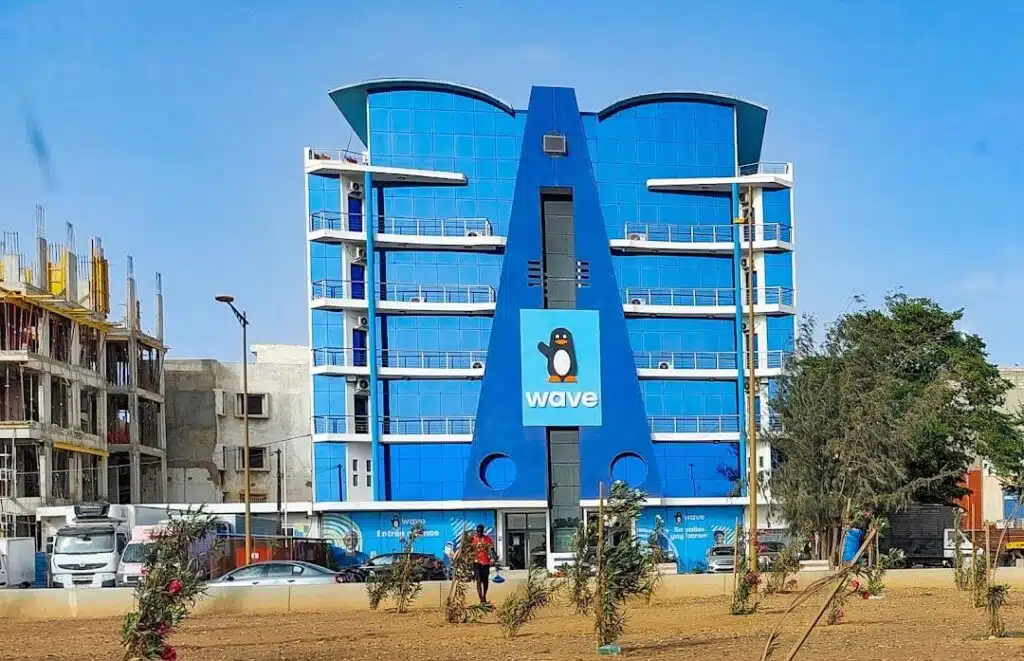
The Francophone Disruptor
-
Valuation: ~$1.7 Billion (Private)
Wave came out of nowhere to shake up the status quo. In Senegal and Côte d’Ivoire, mobile money was expensive until Wave arrived with a radical idea: a flat 1% transaction fee and an app that worked instantly without complex USSD codes.
-
The Tech Angle: They built their own technology stack from scratch (no third-party dependencies), allowing them to be cheaper and faster than the telecom giants. They are the first unicorn from Francophone Africa.
8. TymeBank (South Africa)

The Digital Bank
-
Valuation: ~$1.5 Billion (Private)
TymeBank is one of the fastest-growing digital banks in the world. They have no physical branches. Instead, they use kiosks in supermarkets (Pick n Pay) to onboard customers in under 5 minutes.
-
The Tech Angle: Reaching profitability—a rare feat for a neobank—TymeBank has proven that a zero-monthly-fee model works. They are now exporting their tech stack to the Philippines and Vietnam, proving African tech can go global.
9. Fawry (Egypt)
The North African Gateway
-
Market Cap: ~$1 Billion+ (Publicly Traded)
Before “fintech” was a buzzword, there was Fawry. Launched in 2008, Fawry is the primary way Egyptians pay their bills.
-
The Tech Angle: Listed on the Egyptian Exchange, Fawry processes payments for millions of customers daily, from utility bills to school fees. They are the backbone of Egypt’s digital economy and have recently expanded into the “Buy Now, Pay Later” (BNPL) space.
10. Interswitch (Nigeria)

The Godfather of Fintech
-
Valuation: ~$1 Billion (Private)
You cannot talk about African tech without respecting the OG. Founded in 2002, Interswitch built the digital infrastructure for Nigeria’s banking system when everyone else relied on cash. They own the Verve card network, which rivals Visa and Mastercard in Nigeria.
-
The Status: While newer startups get the hype, Interswitch has the volume. They are a profitable, massive engine that processes the bulk of Nigeria’s electronic transactions.
Notable Mentions (The “Ones to Watch”)
The list is tight, but we can’t ignore Moniepoint (recently hitting unicorn status with a massive agent network) and MNT-Halan (Egypt’s lending giant).
Final Thoughts: The Shift to Infrastructure
In 2025, the “biggest” companies aren’t just making flashy apps; they are building infrastructure. Whether it’s Safaricom’s financial network or OPay’s agency banking, the winners are the companies solving the hardest problem in Africa: trust and access.
Which of these apps do you use daily? Let us know in the comments!
